

Golf in the Carolinas with Bird Golf Academy: A Different Kind of Challenge
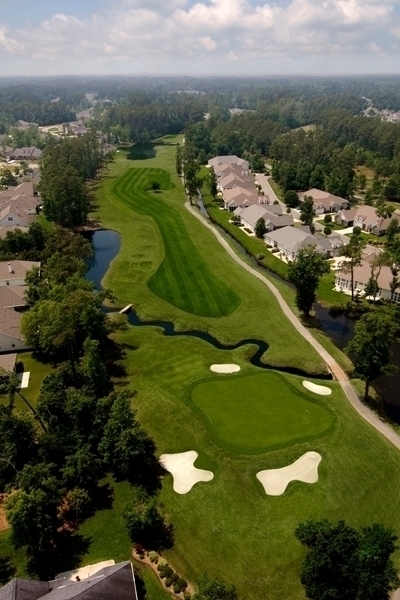
Golf in the Carolinas doesn’t try to impress you right away. It doesn’t need dramatic elevation, desert carries, or ocean cliffs to make a point. Instead, it works on you more gradually. The courses look familiar at first glance. Tree-lined fairways, well-defined greens, and layouts that feel playable from the first tee. But the longer you play, the more you realize how precise everything actually is.
What seems straightforward quickly becomes demanding. A tee shot that’s slightly off line doesn’t always cost you immediately, but it changes the angle into the green. An approach that lands safely might still leave you in the wrong position. Putts that look simple rarely stay that way the entire roll. Nothing feels unfair, but very little is accidental.
That’s what makes the Carolinas such a strong place to work on your game. The courses don’t overwhelm you. They quietly show you where things break down.
Why the Carolinas Tend to Produce Better Golf
There’s a reason so many serious golfers spend time in this region. It’s not just the number of courses or the history behind them. It’s the way those courses are built, and how they shape the way you think about the game.
Golf here is structured around sequence. One shot leads into the next, and the quality of that next shot is almost always determined by what came before it. That forces a different approach. You’re not just trying to hit a good shot. You’re trying to put yourself in a position where the next one becomes easier.
That philosophy is at the core of the Bird Golf Academy Carolinas locations, where the focus isn’t just on mechanics, but on how your decisions influence the entire hole.
Over time, that way of thinking starts to stick. You begin to notice patterns in your own game. Where you consistently put yourself in trouble. Where you’re giving away strokes without realizing it. And just as importantly, where you’re making things easier than they need to be.
The climate also plays a role. With long playing seasons and relatively stable conditions, you’re able to work on your game without long interruptions. That continuity matters. You’re not constantly resetting. You’re building on what you’ve already started.
Hilton Head Island: Playing with Intention at Palmetto Hall
Hilton Head has a reputation for being approachable, but that can be misleading. The courses don’t overwhelm you visually, yet they demand a level of control that becomes more apparent the deeper you get into the round.
At Palmetto Hall Plantation, you’re working with two distinct layouts that complement each other. The Arthur Hills course leans more traditional, rewarding accuracy, controlled ball flight, and steady decision-making. Fairways are framed in a way that encourages positioning over distance, and approach shots are shaped by where you’ve placed yourself off the tee.
The Robert Cupp course introduces a different look. The lines are less conventional, the visuals more varied, and the shot-making more dynamic. It asks you to commit to shapes, trust your eye, and stay engaged from start to finish.
Together, the two courses create a learning environment that feels balanced. You’re not overwhelmed, but you’re never fully comfortable either. You’re constantly adjusting, refining, and becoming more aware of how your decisions influence the outcome of each hole.
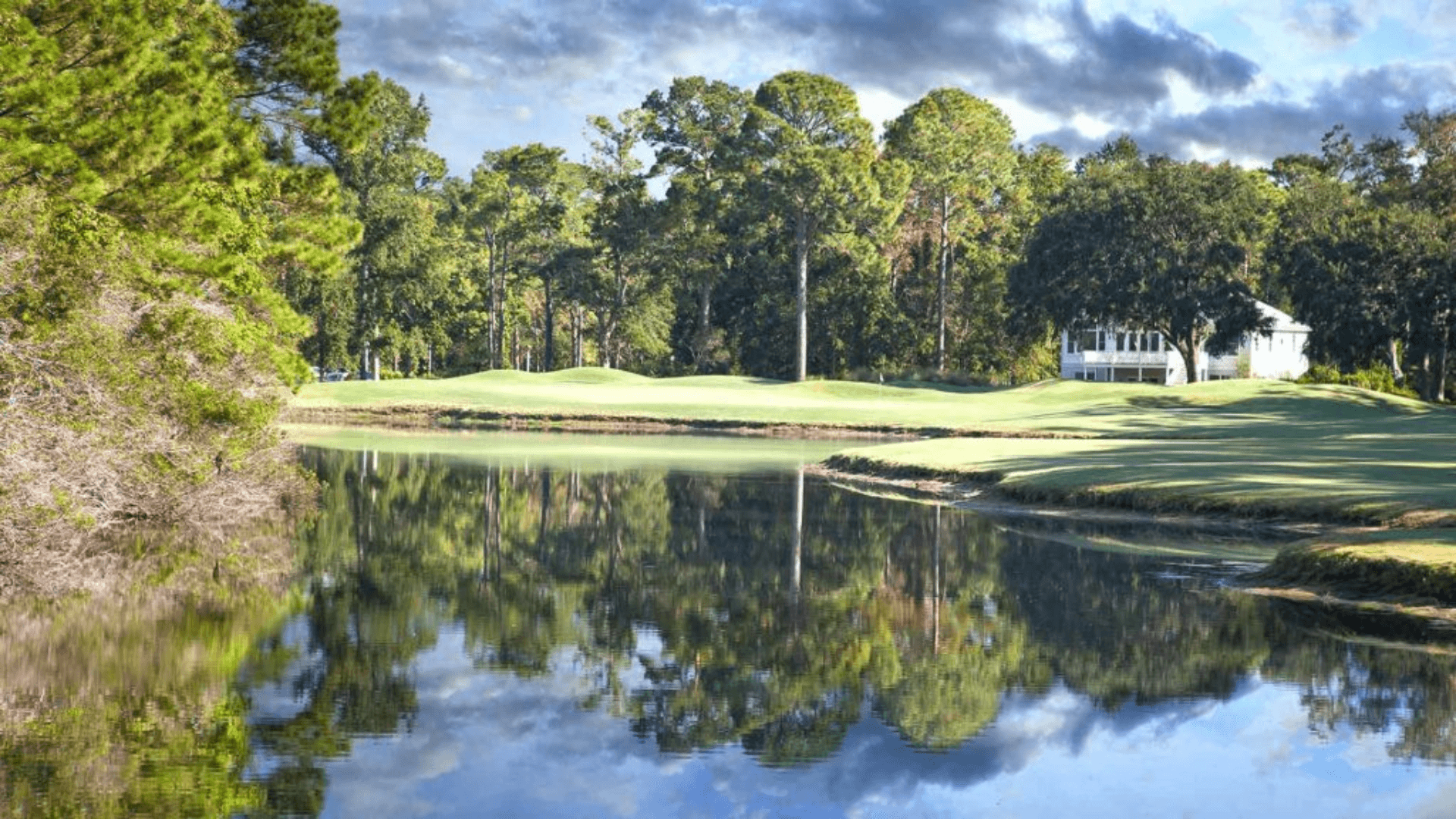
What stands out most is how much the game slows down if you let it. The setting helps with that. The Lowcountry landscape, the pace of the rounds, the absence of distractions, it all gives you space to think. You begin to notice things you might normally rush past. Where you’re aiming. Why you’re choosing a certain shot. How one decision affects the next.
That’s where the shift happens.
Players start to move from reacting to situations to anticipating them. Instead of recovering from mistakes, they begin to prevent them. And over the course of a few days, that change in approach often leads to more consistent results than any single swing adjustment.
Off the course, the experience continues at the Westin Hilton Head Island Resort & Spa, where Bird Golf students stay. The resort sits right along the Atlantic coastline, offering open views, direct beach access, and a setting that makes it easy to unwind after a full day of instruction. Spacious rooms, multiple dining options, and a relaxed coastal atmosphere create a balance between focused learning and recovery. It’s the kind of place where you can step away from the game for a few hours, then come back the next day with a clearer head.
Getting There
Travel into Hilton Head is straightforward. Most players fly into Savannah/Hilton Head International Airport (SAV), about an hour from the resort, with direct flights from major cities across the U.S.
From there, most students opt for a private car service or rideshare, making the transition from airport to resort simple and uninterrupted.
Myrtle Beach: Learning to Score at Wachesaw Plantation East
Myrtle Beach is often associated with volume. A high concentration of courses, a wide range of styles, and plenty of options. But Wachesaw Plantation East stands apart because of how clearly it focuses on scoring.
The course has a traditional feel, with strong links-style influences woven into a Lowcountry setting. Rolling fairways, strategic bunkering, and natural wetlands shape how each hole unfolds. It’s not a course that asks you to overpower it. It asks you to understand it.
Placement becomes everything. Not just hitting the fairway, but finding the right portion of it. Not just hitting the green, but leaving yourself a manageable putt.
And when you don’t quite execute, the course responds immediately.
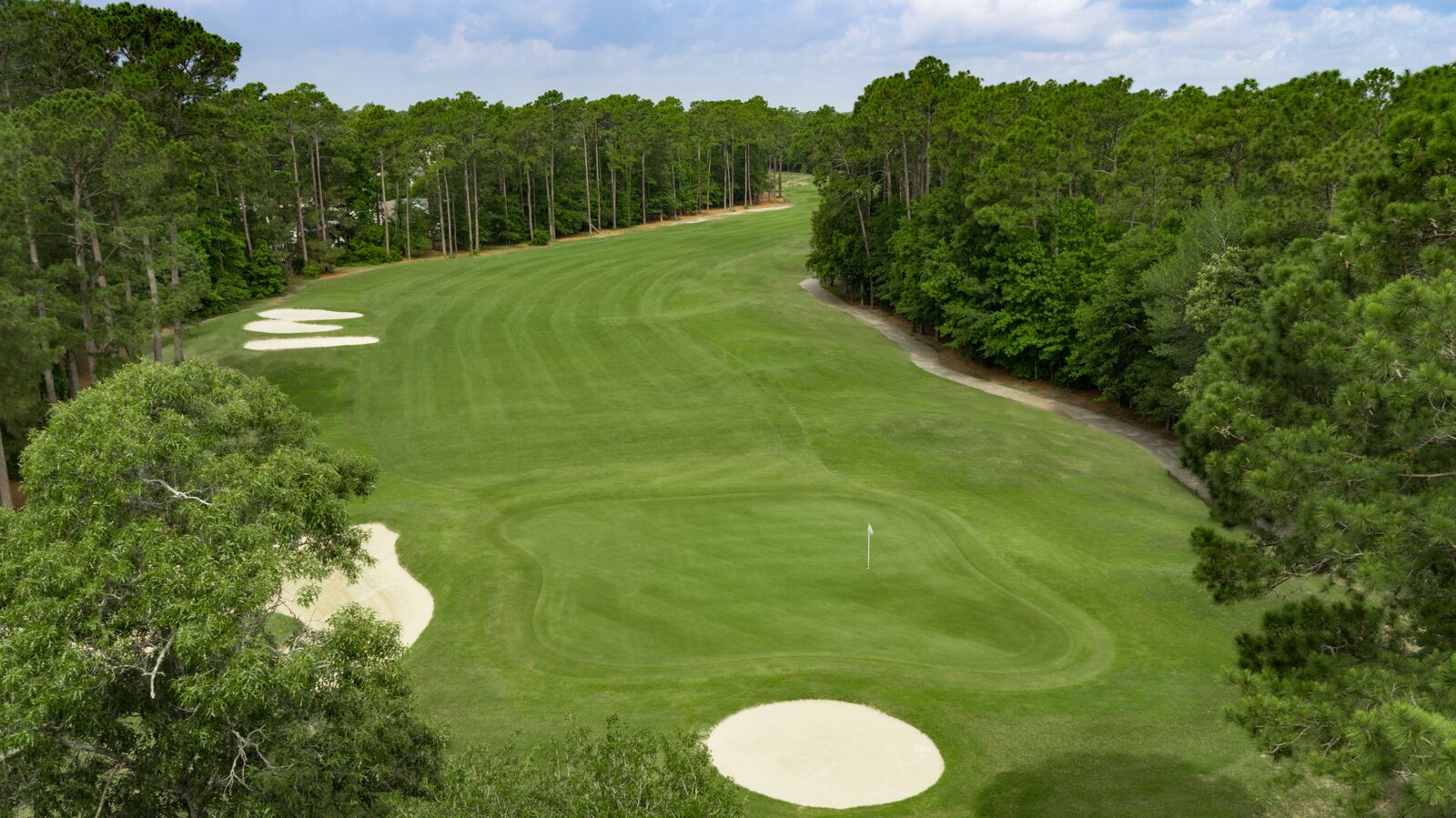
This is where your short game becomes central. Tight lies around the greens, subtle contours, and well-placed hazards force you to rely on touch and control. Recovery shots aren’t dramatic, but they’re demanding. You’re asked to be precise, not heroic.
Over time, you begin to see how rounds are actually built.
Not through perfect ball striking, but through consistency in the scoring areas. Wedges, chips, and putts start to carry more weight. And as that awareness grows, so does your ability to manage a round without relying on everything going right.
The off-course experience complements that process. Students typically stay at the Hampton Inn Murrells Inlet, located just minutes from the course. It’s a more relaxed, practical setting that keeps the focus on the golf while still offering easy access to the MarshWalk, local dining, and the coastal environment. After a day on the course, it’s an easy place to reset, review the day, and prepare for the next session without distraction.
Getting There
Myrtle Beach is one of the most accessible golf destinations in the country. Myrtle Beach International Airport (MYR) is about 30 minutes from the course, with direct flights from many East Coast and Midwestern cities.
For additional options, Charleston International Airport (CHS) is about 1 hour 45 minutes away.
What Changes When You Play Here
The biggest difference in the Carolinas isn’t the layout or the scenery. It’s how clearly you start to see your own tendencies.
You begin to recognize the decisions you default to under pressure. The shots you trust, and the ones you avoid. The patterns that show up over and over again, regardless of the course.
And once you see those patterns, you can actually start to change them.
That’s what makes the experience valuable. You’re not just working on technique. You’re learning how your game behaves in real situations.
A More Practical Way to Improve
Improvement becomes more straightforward when it’s tied directly to what happens on the course. Instead of trying to fix everything at once, you start to focus on what actually costs you strokes.
That might be a tendency to miss in a certain direction. It might be distance control. It might be decision-making under pressure. Whatever it is, it’s no longer theoretical. It’s something you’ve seen, felt, and experienced.
With structured instruction, those observations turn into adjustments. And those adjustments begin to carry over from one round to the next.
You’re not just practicing differently. You’re playing differently.
Final Thought
Golf in the Carolinas doesn’t rely on extremes to challenge you. It relies on consistency and detail. Over time, that creates a more honest picture of your game.
And when you combine that with focused instruction, you end up with something more useful than a temporary improvement. You leave with a better understanding of how to play, how to adjust, and how to continue improving long after the school ends.
