

Golf School vs. Private Golf Lessons: What’s the Difference?
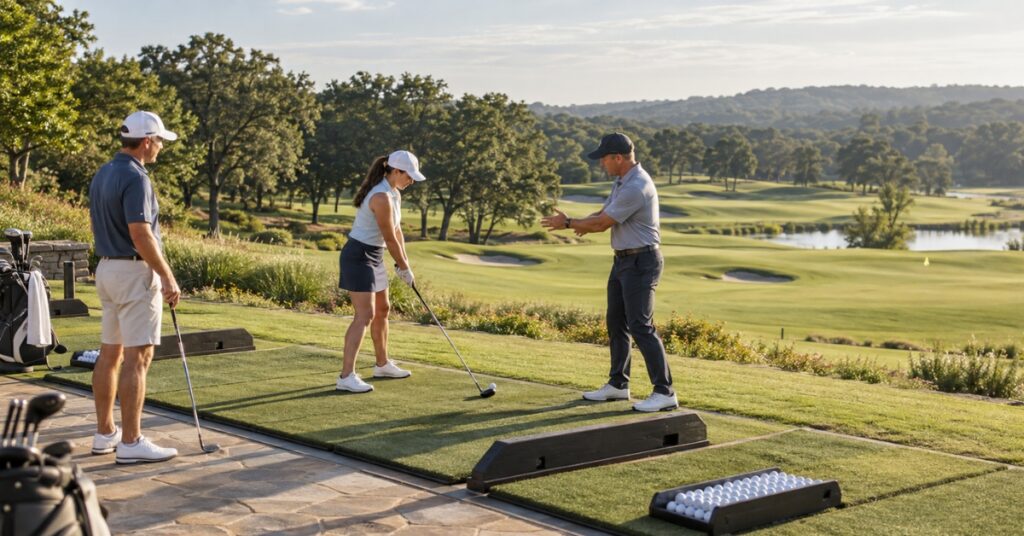
Improving your golf game often starts with getting the right instruction. But when you’re deciding how to work with a golf professional, you may find yourself choosing between attending a golf school and booking private golf lessons. Both can help you become a better golfer, but the experience, structure, and amount of time spent learning can be quite different.
The right choice depends on what you’re hoping to accomplish. Some golfers want to correct a specific swing problem, while others are looking for a more comprehensive approach to improving their entire game. Understanding how each option works can help you decide which learning experience will deliver the most value.
What Is a Golf School?
A golf school is a structured instructional program that gives golfers an opportunity to work on multiple aspects of their game over an extended period. Rather than concentrating on one specific issue during a short lesson, students spend several hours each day developing their skills through professional instruction, practice, and on-course learning.
Programs vary depending on the school, but many combine swing fundamentals, short-game instruction, putting, course management, and mental-game strategies.
At Bird Golf Academy, our golf school programs provide six hours of personalized instruction each day, including daily on-course learning. Students can choose between one-on-one instruction through our Eagle program or a two-student experience through our Buddy program.
This extended format allows instructors to observe how students play, identify recurring problems, and help them make adjustments in different situations.
What Are Private Golf Lessons?
Private golf lessons typically involve one golfer working directly with a teaching professional for a scheduled session. These lessons commonly last between 30 and 60 minutes, although longer sessions may be available.
The primary advantage of private lessons is their flexibility. A golfer can schedule instruction around work, family commitments, or regular rounds of golf. Lessons can also focus on a specific problem, such as correcting a slice, improving putting accuracy, or learning how to hit bunker shots.
For example, a golfer struggling with driver consistency might schedule a lesson specifically to address their setup, swing path, and clubface position.
Private lessons can be highly effective, particularly when the student has a clearly defined goal and enough time between sessions to practice.
However, because individual lessons are usually shorter, golfers may need several appointments to address different parts of their game.
Golf School vs. Private Golf Lessons: Key Differences
Although both options provide professional guidance, the way instruction is delivered can influence how golfers learn and apply new skills.
1. Time Spent With an Instructor
One of the biggest differences is the amount of time available for instruction.
A traditional private lesson might provide an hour of focused coaching. During that session, the instructor evaluates a specific issue, recommends adjustments, and gives the student drills to practice independently.
A golf school provides a much longer learning window.
With several hours of instruction each day, golfers have more opportunities to practice adjustments, receive immediate feedback, and work through challenges before moving on to another part of their game.
This additional time can be particularly valuable when a golfer is making changes that initially feel unfamiliar.
2. Range Practice vs. On-Course Instruction
Driving-range instruction is useful for understanding swing mechanics. The controlled environment allows golfers to repeat shots, analyze results, and concentrate on technical improvements.
However, hitting balls on the range is different from playing an actual round.
On the course, golfers must account for uneven lies, hazards, wind, club selection, and the pressure of making each shot count.
Many private lessons take place primarily on the practice range, although some instructors also offer playing lessons.
Golf schools often make on-course instruction a regular part of the learning experience.
At Bird Golf Academy, daily on-course instruction helps students connect what they’ve learned during practice with the decisions and shots they encounter during a round.
This approach can help golfers understand not only how to execute a shot but also when and why to choose it.
3. Focused Corrections vs. Whole-Game Improvement
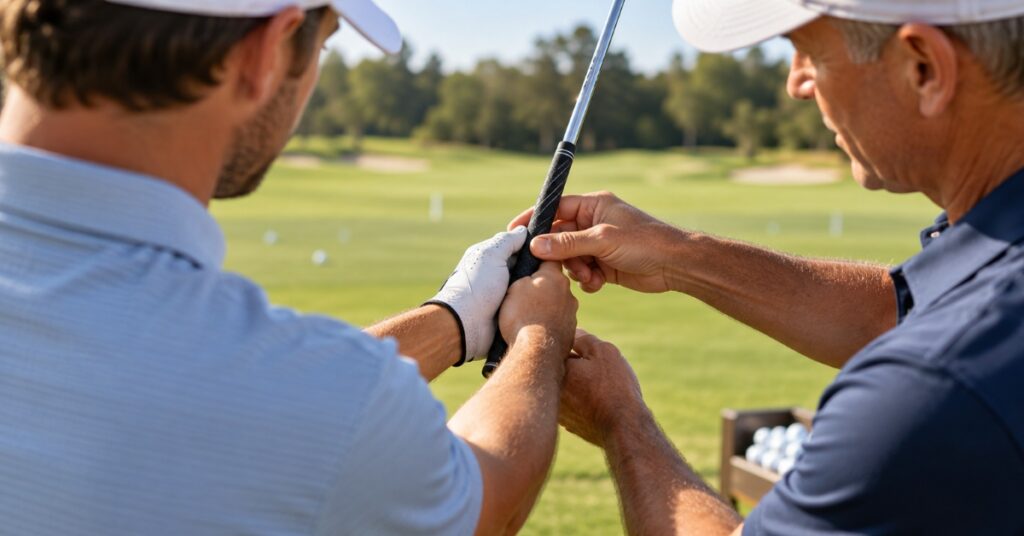
Private golf lessons are often ideal for addressing one particular area of weakness.
If your putting stroke needs attention or you’re consistently missing fairways to the right, a focused lesson may provide the guidance you need.
Golf schools generally take a broader approach.
Instead of treating each problem separately, instructors can examine how different parts of your game influence one another.
For instance, inconsistent iron contact may be connected to setup, balance, or swing tempo. Poor scoring might involve short-game technique, but it could also result from questionable club selection or overly aggressive course management.
A comprehensive instructional program gives golfers time to explore these connections and develop a more complete understanding of their game.
4. Learning Environment and Concentration
Another important difference is the learning environment.
Private lessons fit into your normal schedule. You might take a lesson after work, practice over the weekend, and return for another session a few weeks later.
That flexibility is convenient, but everyday responsibilities can sometimes make consistent practice difficult.
A golf school creates a dedicated period for learning.
By spending several consecutive days concentrating on golf, students can work through new concepts without the usual interruptions of their daily routines.
At Bird Golf Academy, instruction takes place at carefully selected resort destinations, with lodging included in our golf school packages.
For golfers who enjoy combining instruction with a golf getaway, this setting offers an opportunity to concentrate on improving while enjoying time away from their regular schedules.
Which Option Is Better for Beginners?
Beginners can benefit from either approach, but their needs may influence which option makes the most sense.
Private lessons offer a manageable introduction to the game. New golfers can learn the basics of grip, posture, alignment, and swing mechanics without committing to several days of instruction.
This can be especially useful for someone who is still deciding how seriously they want to pursue golf.
However, beginners who want to establish a strong foundation may benefit from the extended structure of a golf school.
With professional guidance throughout the day, new players can develop fundamental skills while learning important aspects of the game that aren’t always covered in a short lesson.
These may include golf etiquette, club selection, putting, chipping, and basic course management.
A beginner golf school can also give new golfers the opportunity to gain experience on the course with an instructor available to answer questions and provide guidance.
The most important consideration is finding an environment where beginners feel comfortable learning at their own pace.
Which Is Better for Experienced Golfers?
Experienced golfers often have different instructional needs.
Someone who has played for years may already understand basic swing fundamentals but struggle with consistency, scoring, or performing under pressure.
For these golfers, a private lesson can be effective when the problem is specific and easy to identify.
For example, a golfer who recently developed a hook might only need a focused session to understand the cause and make the appropriate correction.
But when problems extend beyond one particular shot, a more comprehensive approach may be helpful.
An experienced player might hit the ball well on the practice range yet struggle to produce similar results during a round. Another golfer might have solid swing mechanics but consistently lose strokes around the greens.
A golf school gives instructors time to observe these patterns and help students address the technical, strategic, and mental factors affecting their performance.
For golfers looking to improve their overall scoring ability, one-on-one golf instruction within an extended program can provide the individualized attention needed to work through multiple challenges.
How Much Do Golf Schools and Private Golf Lessons Cost?
Cost is another factor golfers should consider when comparing their options.
Private golf lessons are generally priced by the session or hour. Rates vary depending on the instructor’s experience, location, and lesson duration.
Because lessons are purchased individually, they may appear more affordable initially. However, golfers who schedule frequent lessons over several months can accumulate a significant total expense.
Golf schools typically require a larger upfront investment because they include multiple days of instruction and may offer additional services.
At Bird Golf Academy, golf school packages include personalized instruction, lodging, daily on-course learning, and lifetime follow-up instruction.
When comparing prices, it’s important to consider what each option includes rather than focusing only on the initial cost.
A golfer should evaluate the total instructional hours, access to the golf course, instructor-to-student ratio, accommodations, and opportunities for continued support.
The best value is the program that provides the type of instruction and learning experience that matches your goals.

Can a Golf School Help You Improve Faster?
Spending more time with an instructor can create opportunities for faster progress, but improvement is never guaranteed simply because a program is longer.
Golf is a skill that requires repetition, feedback, and consistent application.
During a traditional private lesson, a golfer might learn a new movement but need to practice independently before the next appointment. If the movement is misunderstood or practiced incorrectly, progress may slow.
An extended golf school allows instructors to monitor those adjustments more closely.
Students can receive feedback as they practice, revisit concepts throughout the day, and test their improvements in real playing situations.
This concentrated approach may help golfers build confidence and develop a clearer understanding of what they need to continue practicing.
Still, lasting improvement depends on how well those lessons are maintained after the program ends.
That is why continued practice and follow-up instruction are important, regardless of which learning format you choose.
How to Decide Between Golf School and Private Lessons
Before making a decision, think about your current abilities, available time, and what you want to accomplish.
Private golf lessons may be the better choice if:
- You want help with one specific swing or short-game problem.
- You prefer scheduling instruction around your normal routine.
- You enjoy practicing independently between lessons.
- You want to make smaller financial commitments over time.
- You’re looking for occasional guidance to maintain your current skills.
A golf school may be the better choice if:
- You want to improve several areas of your game.
- You’re looking for concentrated instruction over multiple days.
- You want to learn how to apply techniques during actual rounds.
- You value having an instructor observe your progress throughout the day.
- You want a structured learning experience with time dedicated entirely to golf.
Neither approach is automatically better for every golfer.
The decision ultimately comes down to how you learn best and the kind of progress you’re hoping to make.
Experience a More Personalized Approach to Golf Instruction
Golf improvement involves more than making adjustments to your swing. It also requires understanding your tendencies, developing reliable fundamentals, and learning how to make better decisions on the course.
Private lessons can provide valuable guidance for specific challenges, while a golf school offers the time and structure to explore your game more thoroughly.
At Bird Golf Academy, our personalized instructional programs are designed around each student’s individual abilities and goals. With six hours of instruction each day, daily on-course learning, and lifetime follow-up, students receive support that extends beyond their time at the school.
Ready to make meaningful progress in your golf game? Explore our golf schools in the USA and international locations to find a personalized learning experience that helps you build confidence, improve consistency, and get more enjoyment out of every round.
Frequently Asked Questions
Are golf schools worth it?
Golf schools can be worthwhile for golfers who want concentrated instruction and the opportunity to improve multiple areas of their game. The value depends on the quality of instruction, program structure, individual goals, and how consistently students apply what they’ve learned afterward.
How many private golf lessons does it take to improve?
There is no fixed number of lessons required to improve. Some golfers notice positive changes after one session, while others need several lessons and consistent practice to develop lasting improvements. The complexity of the issue and the golfer’s experience both influence progress.
Can beginners attend a golf school?
Yes. Many golf schools welcome beginners and tailor instruction to their experience levels. Beginners can learn essential fundamentals, develop short-game skills, and gain confidence playing on the course with professional guidance.
Do golf schools include on-course instruction?
Some golf schools include on-course instruction, while others focus primarily on practice facilities. Bird Golf Academy includes daily on-course learning as part of its instructional programs, allowing students to apply their skills in real playing situations.
Is one-on-one golf instruction better than group lessons?
One-on-one instruction allows an instructor to focus entirely on an individual student’s swing, playing habits, and goals. Group lessons can provide a more social learning environment and may cost less. The better choice depends on personal preferences, budget, and the level of individualized attention desired.
Should I take private golf lessons before attending a golf school?
Not necessarily. Golf schools can accommodate golfers at different skill levels, including complete beginners. Taking private lessons beforehand may help you become familiar with basic fundamentals, but previous instruction is not always required.
