

Golf in Texas with Bird Golf Academy: World-Class Instruction in Two Iconic Settings
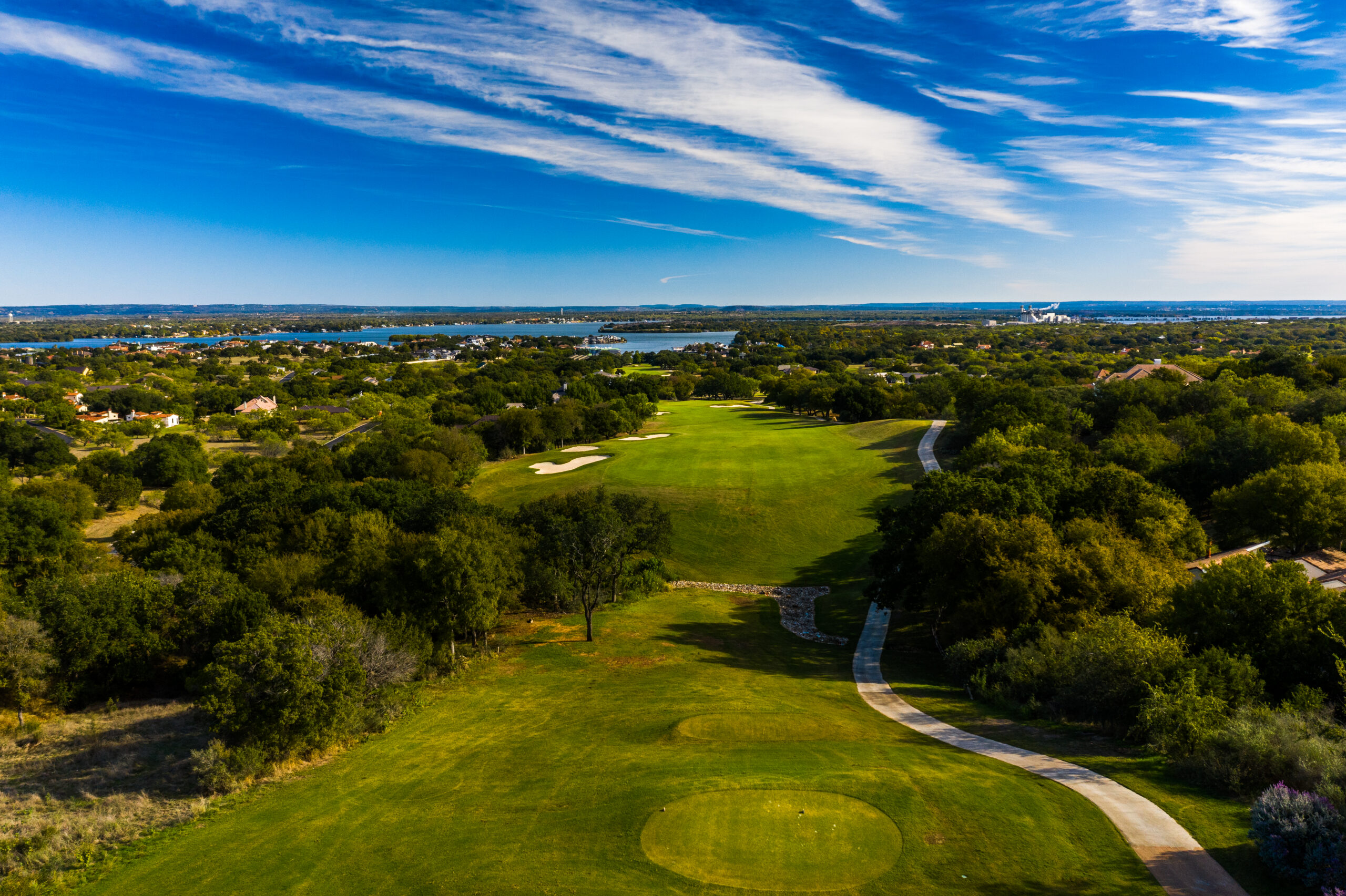
There’s a moment that happens as you leave Austin behind and head west into the Texas Hill Country. The traffic thins out. The landscape starts to open. Rolling hills replace buildings, and the road begins to wind just enough to remind you you’re going somewhere different.
You’re about 30 minutes from Horseshoe Bay when it hits you. You’ve actually done it. You’ve blocked off three or four or five days. You’ve stepped away from work, from responsibilities, from the usual rhythm of your week. You’re heading to a golf school.
For a lot of golfers, that moment carries a bit of tension. Will this actually help? Am I too far gone? Did I just spend real money on something that might not work?
Fair questions. But here’s what usually happens next.
You arrive, check in, grab your clubs, and make your way to the practice area. Your instructor is already there. Within the first 20 minutes, after a few swings and a short conversation, they start pointing out things in your swing and your game that no one has ever explained clearly before. Not because you haven’t taken lessons, but because you’ve never had someone watch you this closely, for this long, with this level of focus.
That’s when the tension starts to shift.
Call it confidence. Call it curiosity. Either way, you start to realize the next few days might be different than anything you’ve experienced in golf before.
Why Serious Golfers Keep Coming Back to Texas
Texas has more than 900 golf courses. That’s not a small detail. It means variety, accessibility, and a golf culture built around actual play rather than occasional recreation.
It also means you can find almost any type of course within a few hours’ drive. Tree-lined layouts that punish wayward shots. Wide-open strategic designs where positioning matters more than power. Courses with dramatic elevation changes. Courses where water comes into play on half the holes.
For a golf school, that variety matters. You’re not just learning a swing in a vacuum. You’re learning how to actually use it on different courses, in different conditions, against different challenges.
Then there’s the weather. Texas doesn’t shut down for winter. You can play year-round in most of the state, which means improvement doesn’t have to pause for four months while you wait for the ground to thaw. Consistency in conditions leads to consistency in practice, and that’s where real progress happens.
And perhaps most importantly, Texas golfers tend to be serious about the game. They practice with purpose. They compete. They invest in getting better, not just showing up to hit balls. That mindset creates the right environment for a golf school because the expectation isn’t entertainment, it’s improvement.
That’s the backdrop for Bird Golf Academy’s Texas locations. Two very different settings, both built for the kind of immersive, focused instruction that changes your game permanently.
Horseshoe Bay: Texas Hill Country Drama
Horseshoe Bay is the kind of place where the landscape immediately changes how you play the game. The terrain isn’t flat, predictable, or forgiving. It moves, it shifts, and it forces you to pay attention from the first tee shot to the last putt.
Located about an hour west of Austin in the Texas Hill Country, Horseshoe Bay Resort is home to multiple championship courses. The most famous is Slick Rock, designed by Robert Trent Jones Sr., which includes the so-called “Million Dollar Hole” with its signature waterfall backdrop.
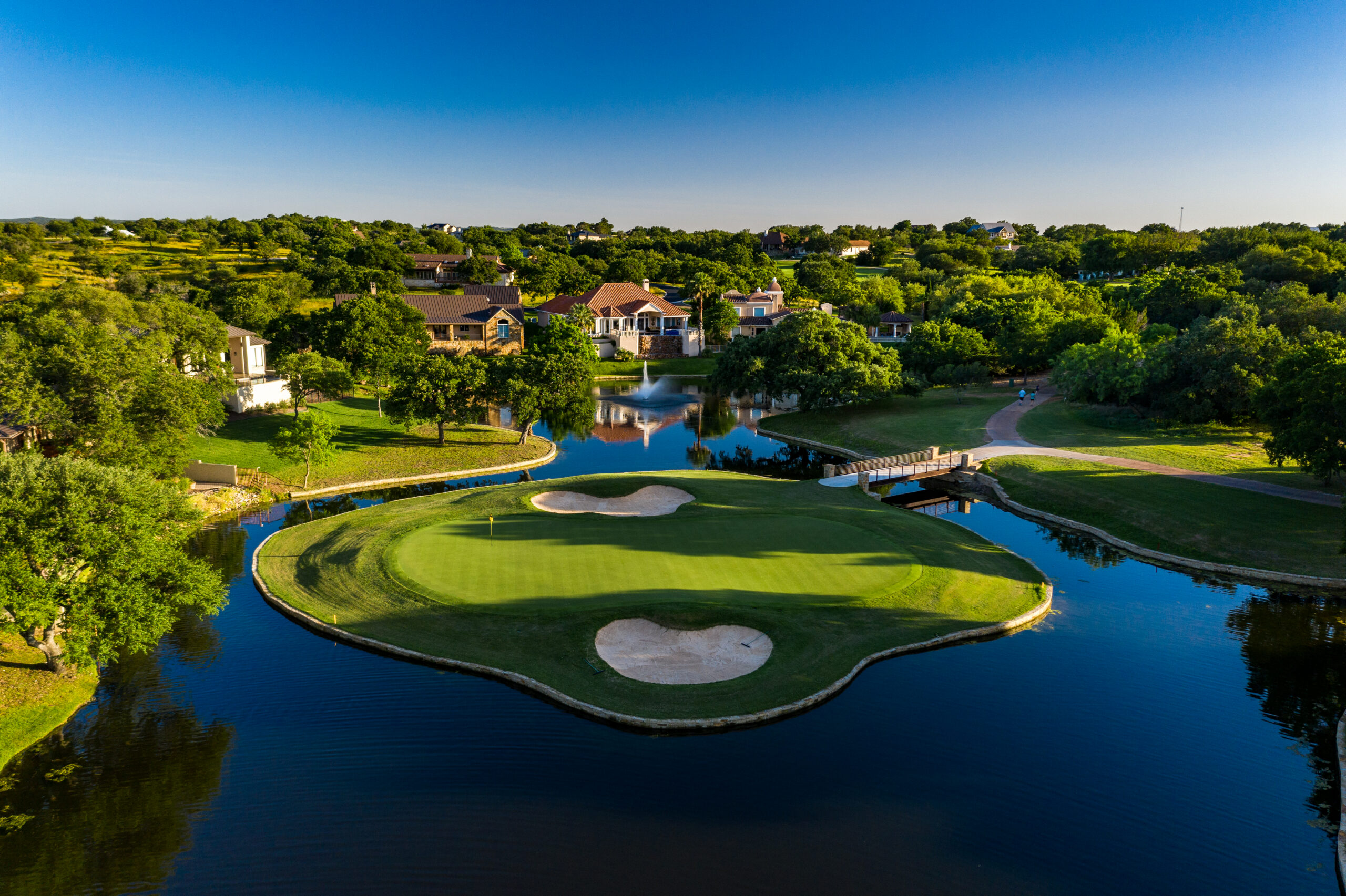
But the real story isn’t the Instagram moment. It’s what the course asks of you.
Elevation changes that force you to rethink club selection. Fairways that look wide from the tee but tighten significantly on the approach. Greens that sit at angles you don’t see very often. Every hole presents a different puzzle, and solving them requires more than a repeatable swing. It requires adaptability.
That’s exactly what makes it valuable for a golf school. You’re not just grooving a motion. You’re learning how to adjust based on lie, slope, wind, and circumstance. You’re building the kind of versatility that translates to every course you play for the rest of your life.
The resort itself overlooks Lake LBJ and offers the kind of full-service amenities you’d expect: exceptional dining, spa options, and an atmosphere that feels both upscale and unpretentious. It’s the kind of place where you can work hard during the day and actually unwind at night without feeling like you need to be somewhere else.
Lake Conroe: Strategic Golf in a Waterfront Setting
Just north of Houston, Lake Conroe sits in a landscape of tall pines, rolling terrain, and enough water to make you think carefully about every approach shot.
Margaritaville Lake Resort is home to an 18-hole layout that was redesigned by Dave Marr, Jay Riviere, and Jeffrey Blume. It’s the kind of course that doesn’t beat you over the head with difficulty but quietly exposes every weakness in your game if you’re not paying attention.
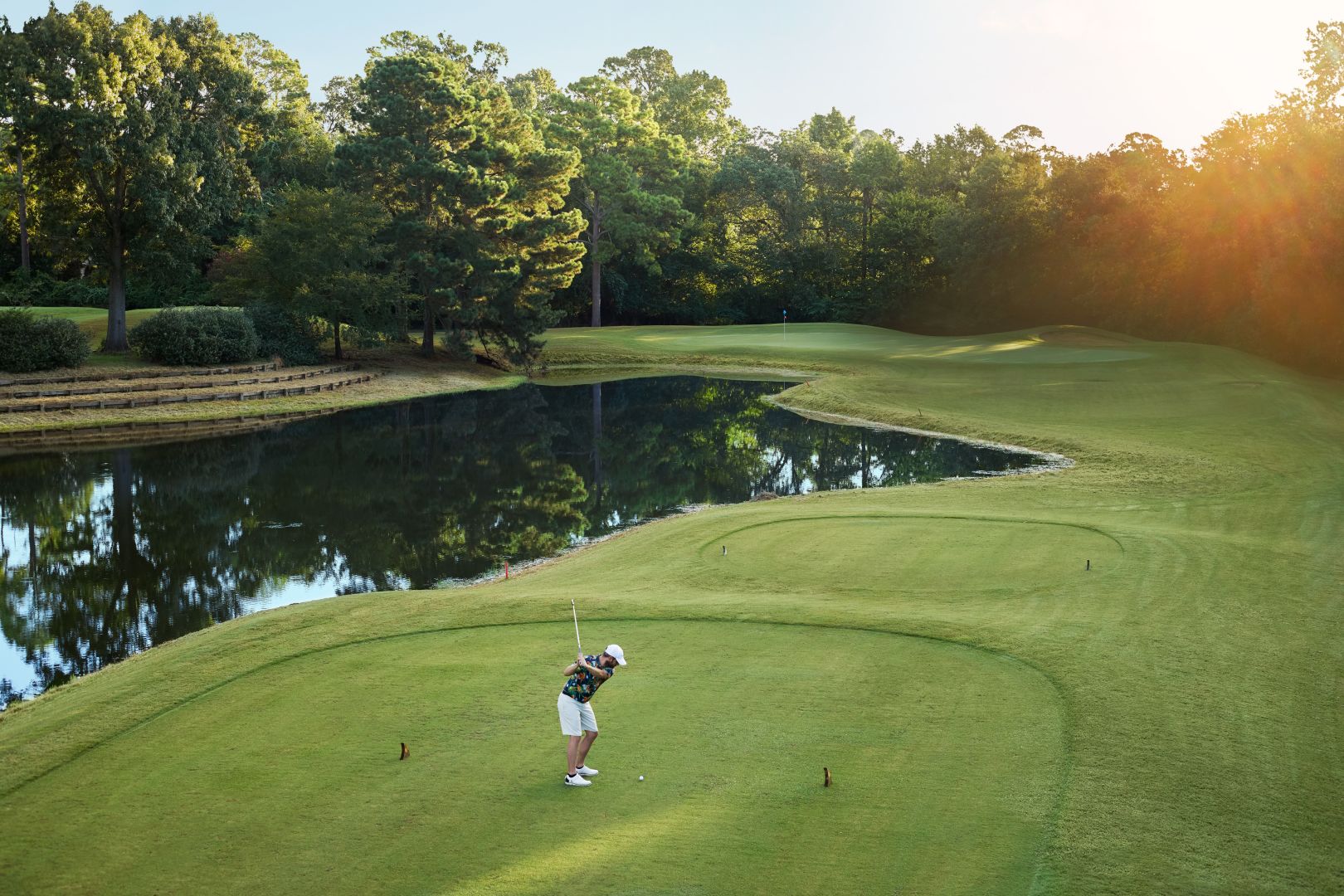
You’ll see strategic doglegs where the safe play is obvious but the reward for taking on risk is real. You’ll face approach shots where distance control matters more than distance itself. You’ll putt on greens that are smooth and true, which sounds like a gift until you realize they reveal every flaw in your stroke.
For Bird Golf students, this becomes more than just a place to play. It becomes a teaching laboratory.
Your instructor isn’t just fixing your swing on the range. They’re walking the course with you, watching how you think through each shot, how you manage trouble, how you respond when things go wrong. That’s where the real learning happens, not in the mechanics of the swing but in the application of it.
Off the course, the resort gives you exactly what you need: a place to relax without distraction. Waterfront views, solid food, rooms that don’t require you to think about logistics. You’re there to focus on golf, and everything about the setup supports that.
Getting There Is Easier Than You Think
One advantage of Bird Golf’s Texas locations that doesn’t get talked about enough: they’re ridiculously easy to reach.
Horseshoe Bay uses Austin-Bergstrom International Airport (AUS), about an hour’s drive to the east. Austin has become one of the most accessible mid-sized airports in the country, with direct flights from Los Angeles, Chicago, New York, Denver, and most other major cities.
The drive from Austin to Horseshoe Bay takes you through classic Hill Country scenery. It’s actually a pleasant part of the trip, not something to endure but something to enjoy as you leave the city behind.
Lake Conroe is served by George Bush Intercontinental Airport (IAH) in Houston. If you’re flying from anywhere on the East or West Coast, odds are good you can get a direct flight. IAH is one of the largest hubs in the country, which means connections are plentiful even if your home airport is smaller.
From the airport, it’s a 45 to 60-minute drive north to the resort. Straightforward route, no complicated navigation, and you’re transitioning from travel mode to golf mode before you even realize it.
Both locations are also drivable for anyone within Texas or neighboring states, which makes them accessible even if you prefer not to fly.
Why Texas Works for This
The combination of climate, course variety, and accessibility makes Texas uniquely suited for golf schools.
You’re not fighting weather. You’re not limited to one type of course. You’re not dealing with complicated logistics just to get there.
You can focus entirely on the reason you came: getting better.
Horseshoe Bay Resort and Margaritaville Lake Resort each bring something different to that process. One teaches you to think strategically and manage a course with precision. The other teaches you to adapt to terrain and conditions that change hole to hole.
Both teach you how to actually play golf, not just how to swing a club.
If You’re Serious About Improving
Most golfers plateau not because they lack talent, but because they lack structure.
They practice without a plan. They take occasional lessons that don’t build on each other. They play the same course over and over without ever challenging themselves to adapt.
A golf school breaks that pattern. It gives you concentrated, expert instruction over multiple days. It pulls you out of your routine and puts your full attention on improvement. It creates the kind of clarity and momentum that simply doesn’t happen in one-hour lessons.
And when you leave, you’re not starting over. You’re continuing forward.
With Bird Golf Digital, you have a simple way to reinforce what you learned. You can revisit key concepts, follow structured practice, and stay connected to the approach without losing the progress you’ve made. It’s not a replacement for the experience. It’s what helps it stick.
Texas gives you the environment. Bird Golf provides the instruction. The structure carries with you.
If you’ve been thinking about doing something different to actually move your game forward, this is what different looks like.
Not a weekend clinic. Not a two-hour playing lesson. A full commitment to understanding your game and building something better.
The pines around Lake Conroe or the hills around Horseshoe Bay are waiting. So is the version of your game you’ve been trying to find.
