

Can Golf Lessons Fix Bad Swing Habits You’ve Had for Years?
Golf is a game of repetition, but not every repetition makes you better. If you’ve spent years slicing your driver, struggling with inconsistent contact, or fighting the same swing mistakes, those movements can start to feel impossible to change.
You might even wonder if you’ve been playing golf the wrong way for so long that it’s too late to fix your swing.
The good news? Bad golf swing habits aren’t permanent. With the right instruction, focused practice, and a better understanding of what’s causing your mistakes, you can improve your technique even after decades of playing.
But breaking old habits takes more than hitting a few buckets of balls. Here’s how professional golf lessons can help you identify, correct, and replace the swing patterns that have been holding you back.
Why Are Bad Golf Swing Habits So Hard to Break?
Your golf swing is built through repetition. Every time you grip the club, address the ball, and make a swing, you’re reinforcing movement patterns.
Over time, these movements become familiar and automatic, even when they’re producing poor results.
Some of the most common bad golf swing habits include:
- An incorrect grip: A grip that makes it difficult to control the clubface.
- Poor posture and alignment: Setup mistakes that affect balance, rotation, and accuracy.
- An over-the-top swing: A downswing pattern that can contribute to slices and pulled shots.
- Early extension: Moving the hips toward the ball during the downswing, reducing space for the arms and club.
- Improper weight transfer: Struggling to shift pressure and maintain balance throughout the swing.
- An inconsistent swing tempo: Rushing the transition or losing coordination between the upper and lower body.
The challenge is that these movements often feel natural because you’ve practiced them for years.
When you attempt to correct them, the new movements may initially feel awkward or even incorrect. That’s one reason golfers sometimes abandon a swing change before giving it enough time to work.
Can Professional Golf Lessons Really Fix Years of Bad Habits?
Yes. Professional golf lessons can help golfers correct long-standing swing problems, although the time and effort required will depend on the individual.
An experienced golf instructor doesn’t simply tell you to keep your head down or swing more slowly. Instead, they evaluate your overall technique to identify the underlying causes of your mistakes.
For example, a golfer who consistently slices the ball might assume they’re swinging too fast. However, the actual problem could involve an open clubface, an out-to-in swing path, or a combination of factors.
Without understanding the cause, practicing harder may only reinforce the same mistake.
Through professional golf instruction, golfers can receive personalized feedback and develop a clear plan for making meaningful improvements.
The goal isn’t necessarily to rebuild your entire swing. Sometimes, correcting one fundamental movement can improve several parts of your game.
How Golf Lessons Help You Break Bad Swing Habits
1. Identify the Root Cause of Your Swing Problems
One of the biggest advantages of working with a professional instructor is discovering what’s actually causing your inconsistent shots.
Many golfers try to correct problems based on what they see happening to the ball. If the ball slices, they adjust their grip. If they hit behind the ball, they move their weight forward.
While these adjustments might occasionally help, they don’t always address the underlying issue.
A qualified instructor evaluates your setup, swing mechanics, clubface control, and ball flight to determine which changes will make the greatest difference.
At Bird Golf Academy, students work directly with experienced PGA and LPGA teaching professionals who evaluate their individual strengths, weaknesses, and goals.
This personalized approach helps golfers focus on the improvements that matter most instead of attempting several unrelated swing changes.
2. Replace Old Movements With Better Swing Mechanics
Breaking a bad habit isn’t simply about stopping an incorrect movement. It’s about learning a more effective movement and repeating it until it becomes familiar.
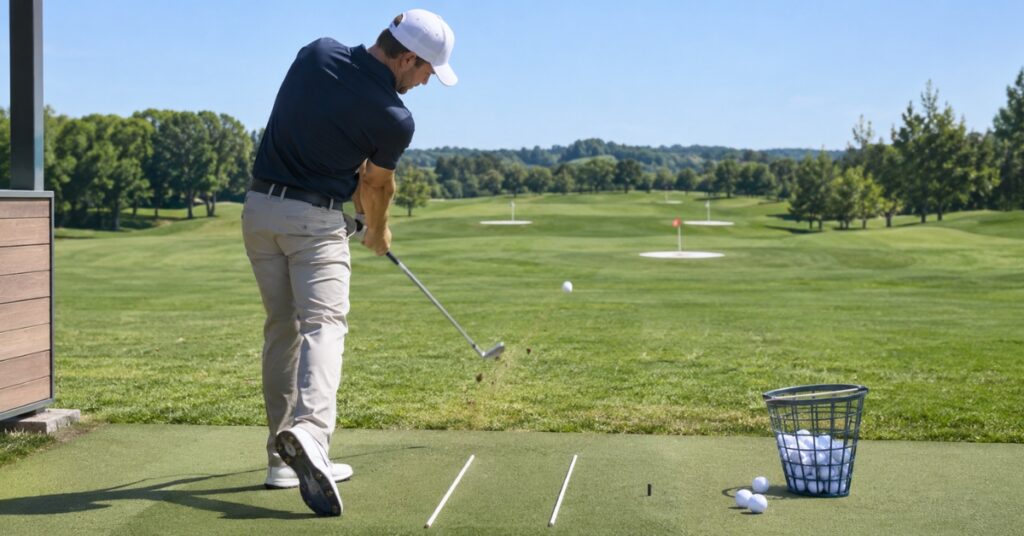
For example, if you’ve spent years swinging over the top, your instructor may introduce drills that help you develop a more functional downswing sequence.
Initially, the corrected movement might feel exaggerated or uncomfortable.
That’s normal.
Your body has become accustomed to the old pattern, so even a small adjustment can feel dramatically different.
Through repetition, feedback, and gradual improvement, the new movement can become more consistent.
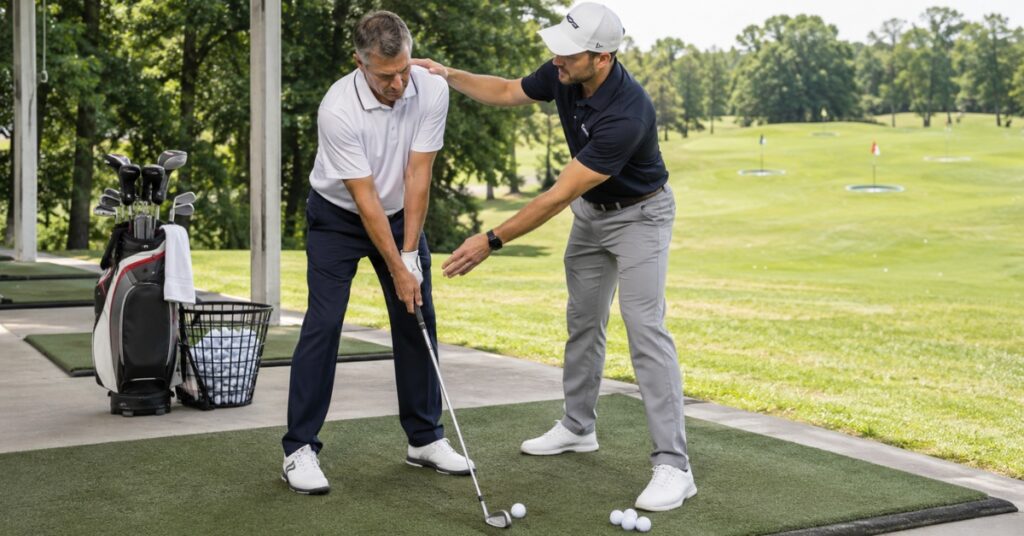
This is where one-on-one golf lessons can be particularly valuable. Individual instruction allows your coach to monitor each adjustment and provide immediate feedback before incorrect movements become reinforced.
3. Build Consistency Through Focused Practice
Practicing golf doesn’t automatically lead to improvement.
You can hit hundreds of balls at the driving range and still struggle with the same swing mistakes if you’re repeating incorrect mechanics.
Effective practice requires a specific objective.
Rather than simply trying to hit every ball farther or straighter, your instructor might ask you to concentrate on one movement at a time.
For example, a practice session might focus on maintaining better posture, improving clubface control, or creating a more balanced finish.
Once that movement becomes more reliable, you can begin incorporating it into your full swing.
The key is to prioritize quality over quantity.
Twenty focused swings with useful feedback may accomplish more than an entire practice session spent repeating the same mistakes.
4. Learn to Apply Swing Changes on the Golf Course
A swing that works on the driving range doesn’t always translate immediately to the golf course.
On the range, you’re often hitting repeated shots from a flat surface without worrying about hazards, uneven lies, or scoring.
During an actual round, every shot presents a different challenge.
That’s why on-course instruction can be especially helpful when you’re trying to replace old habits.
At Bird Golf Academy, daily on-course playing lessons are an important part of the learning experience.
Students have opportunities to apply their improvements while navigating real playing conditions, including different lies, club selections, and course-management decisions.
This helps bridge the gap between understanding a swing adjustment and trusting it during a round.
For golfers looking for a more immersive experience, golf schools can provide dedicated time to work on technique while developing the confidence to use those improvements on the course.
How Long Does It Take to Correct Bad Golf Swing Habits?
There’s no universal timeline for correcting a golf swing habit.
Some golfers notice improvements during their first lesson, particularly when the problem involves a relatively simple setup adjustment.
Other changes, especially those involving deeply established movement patterns, may require weeks or months of consistent practice.
Several factors influence how quickly you improve:
- How long you’ve practiced the habit: Deeply established movements may require more repetition to replace.
- The complexity of the correction: Adjusting your grip is different from changing your downswing sequence.
- Your practice consistency: Regular, focused sessions help reinforce new movements.
- The quality of instruction: Clear feedback helps you understand what to practice and why.
- Your willingness to adapt: Progress often requires accepting that a better movement may initially feel unfamiliar.
It’s also important to understand that improvement isn’t always linear.
You might hit the ball beautifully during one practice session and struggle during the next. That doesn’t necessarily mean the adjustment isn’t working.
Building a more reliable golf swing requires patience, repetition, and the ability to recognize gradual progress.

Is It Better to Take Private Golf Lessons or Attend a Golf School?
Both options can help you overcome long-standing swing problems, but they offer different learning experiences.
Private golf lessons are useful for golfers who want to work on specific issues over time. You can focus on one part of your game, practice independently, and return for additional feedback.
However, golfers who have struggled with the same problems for years may benefit from a more concentrated learning environment.
An immersive golf school experience provides extended instruction over several consecutive days, allowing students to build on what they’ve learned without long gaps between lessons.
Bird Golf Academy offers three-, four-, and five-day programs featuring private instruction, daily on-course playing lessons, and personalized improvement plans.
With approximately six hours of instruction and golf activities per day, students have dedicated time to understand their swing, practice corrections, and apply their skills in real playing situations.
The Eagle program offers one-on-one instruction, while the Buddy program allows two golfers to learn together with one professional instructor.
For someone who has spent years struggling with the same swing issues, this focused approach can help establish a stronger foundation for continued improvement.
Are You Ever Too Old to Change Your Golf Swing?
One of the most common misconceptions about golf improvement is that major swing changes are only possible when you’re young.
In reality, golfers can continue learning and improving their technique at many different ages.
You don’t need the flexibility or athletic ability of a professional tour player to develop a more effective swing.
Instead, a good instructor works with your individual physical capabilities, experience, and goals.
For some golfers, that might mean developing a more efficient rotation. For others, it could involve improving balance, simplifying the swing, or reducing unnecessary movements.
The objective isn’t to make every golfer swing the same way.
It’s to develop a technique that works for your body and produces more consistent results.
That’s one of the benefits of personalized golf lessons for golfers who want to continue enjoying the game while improving their performance.
How to Avoid Falling Back Into Old Swing Habits
Even after making significant improvements, it’s possible to return to familiar movements, particularly when you’re tired, frustrated, or under pressure.
The solution is to develop a practice routine that reinforces your new technique.
Start by identifying one or two key swing thoughts from your instructor. Avoid overwhelming yourself with too many technical adjustments during a round.
Use practice drills to reinforce the movements you’re trying to develop, and occasionally record your swing to compare what you’re feeling with what you’re actually doing.
Most importantly, don’t judge every swing change by a single shot.
A poor result doesn’t always mean you’ve performed the movement incorrectly, just as a good shot doesn’t guarantee that your mechanics were ideal.
Consistent feedback and purposeful practice help you recognize genuine progress and maintain improvements over time.
Ready to Break Years of Bad Golf Swing Habits?
Years of bad golf swing habits don’t have to determine how you play for the rest of your life.
With professional guidance, focused practice, and a willingness to make changes, you can replace ineffective movements with more reliable techniques.
The most important step is understanding what’s causing your mistakes rather than continuing to practice around them.
At Bird Golf Academy, our personalized golf schools combine private PGA and LPGA professional instruction with daily on-course playing lessons to help golfers make meaningful, lasting improvements.
Whether you’ve been fighting a slice for years, struggling with inconsistent ball striking, or simply feeling stuck at the same skill level, the right instruction can help you move forward.
Explore our golf school programs and discover how personalized instruction can help you build a better golf swing.
