

Golf in California with Bird Golf Academy: Where Your Game Gets Exposed… in a Good Way
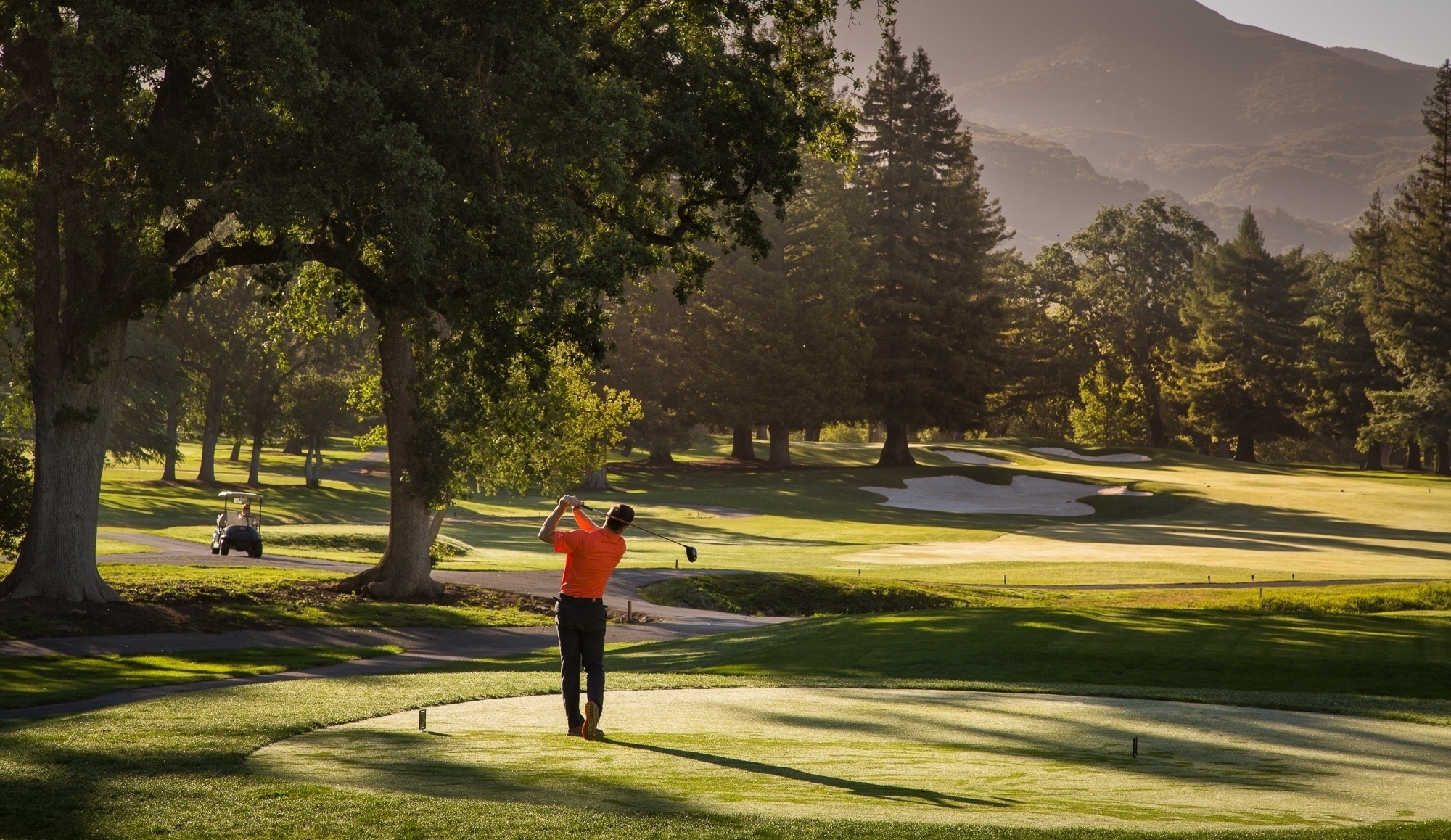
California has a way of revealing your golf game.
Not in a dramatic, overwhelming way. More in the details you can’t ignore once you see them. A wedge that comes out a little flatter than you expected. A putt that looks straight but never quite holds its line. A shot into a light breeze that forces you to question how well you actually know your distances.
It’s subtle. But it’s consistent.
And over the course of a few days, those small moments start to connect. Patterns begin to show up. Some of them you recognize immediately. Others take a little longer.
That’s exactly what makes California such a valuable place to work on your game.
The conditions are consistent, but they’re not forgiving. The courses are playable, but they don’t let you get away with much. You’re not fighting the environment, but you’re also not being helped by it.
You’re being shown what’s really there.
And once you can see that clearly, you can start to improve it.
Bird Golf’s California golf schools are built around that idea. Not just giving you more reps, but putting you in environments where those reps actually matter. Where every shot gives you feedback. Where improvement isn’t theoretical. It’s happening in real time, under conditions that translate directly to how you play everywhere else.
And with California as the backdrop, you’re doing it in a setting that keeps you focused without feeling forced.
California Locations: Four Environments, Four Different Games
California isn’t one type of golf.
And at Bird Golf, that shows up clearly across our four locations.
Each one presents a different version of the game. Different visuals. Different conditions. Different decisions.
That’s intentional.
Because improvement doesn’t come from repeating the same swing on the same range under the same conditions. It comes from seeing how your game holds up when something changes.
At one location, you’re managing tempo and patience. At another, you’re dialing in distance control. Somewhere else, you’re learning how to think your way through a course. And in another setting, you’re forced to commit to every shot without hesitation.
Individually, those are valuable lessons.
Together, they give you a much clearer picture of your game. What’s consistent. What isn’t. What you can rely on when conditions shift.
That’s where things start to click.
Because real improvement doesn’t come from doing more of the same.
It comes from adapting, and understanding how to adapt, no matter where you play.
Solvang / Santa Barbara – Alisal River Course
The Alisal River Golf Course doesn’t try to overwhelm you.
There’s no dramatic elevation. No forced carries that make you uncomfortable. No visual intimidation. At first glance, it feels like a course you can settle into quickly.
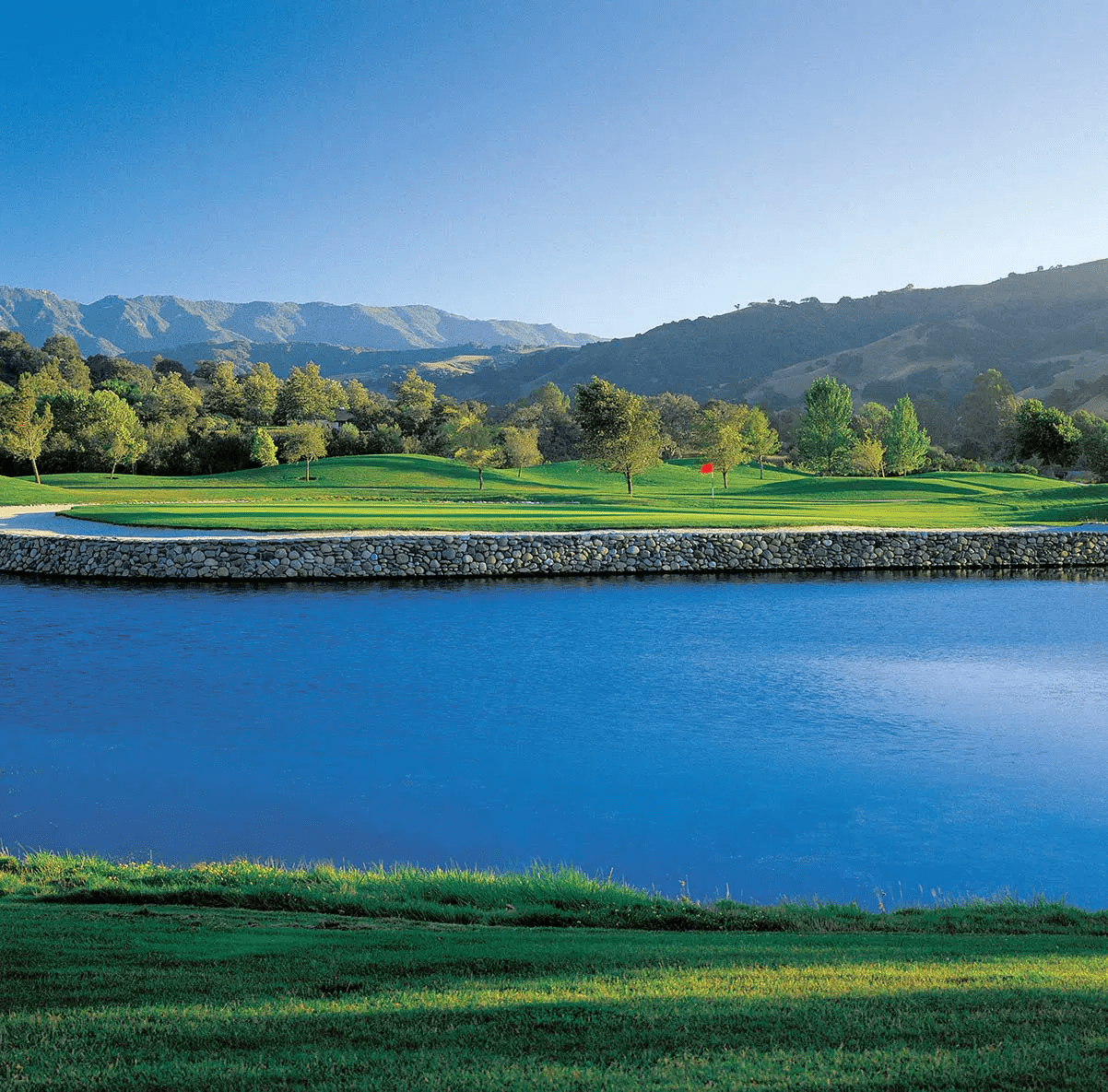
Wide fairways. Mature oak trees. A quiet valley setting that feels removed from everything else.
But that’s exactly what makes it effective.
Because once you settle in, the course starts asking better questions.
Position matters more than you think. Not just keeping the ball in play, but placing it in the right part of the fairway to open up the next shot. The greens don’t look complicated, but they reward precision and expose hesitation.
And over time, you start to notice something shift.
You slow down.
Not just physically, but mentally. You stop rushing decisions. You start thinking through shots. You become more aware of what you’re doing and why.
That’s where a lot of players make real progress.
Because when you remove the noise, what’s left is clarity.
Getting There
Travel to Solvang is simple and efficient.
The most convenient option is Santa Barbara Airport (SBA), about 40 minutes away, with direct flights from Los Angeles, San Francisco, Phoenix, Denver, Seattle, and Dallas.
If you need more flexibility, Los Angeles (LAX) is about a two-hour drive and offers broader flight options.
The drive into the Santa Ynez Valley is smooth, and it’s an easy transition into a quieter, more focused setting.
Palm Springs – Classic Club
Palm Springs introduces itself immediately.
The air is dry. The ball travels farther. The visuals are wide open. And it creates a subtle illusion that you have more margin than you actually do.
Classic Club takes advantage of that.
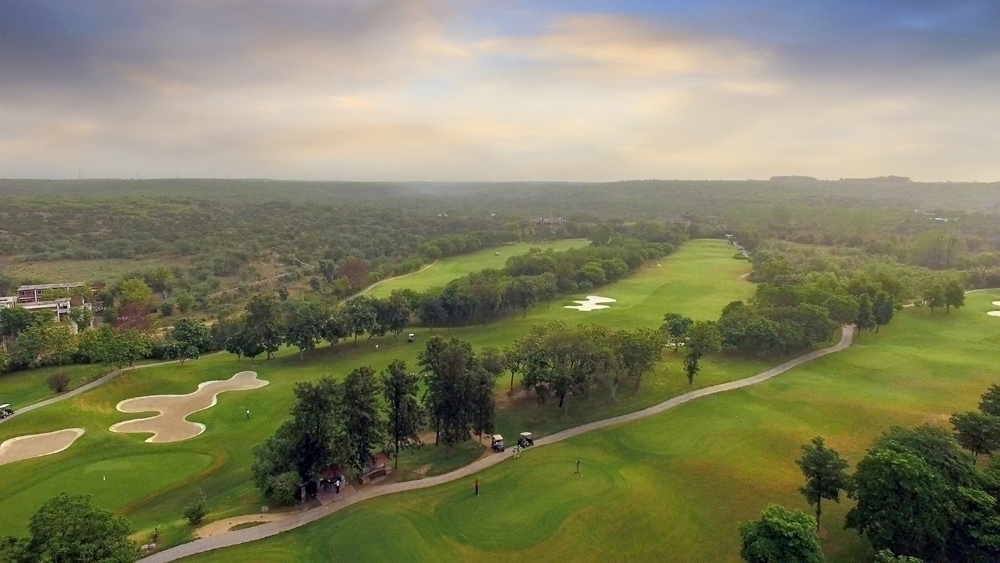
From the tee, it looks manageable. Generous landing areas. Clean visuals. But as you move closer to the green, everything tightens.
Approach shots become more exact. Distance control becomes critical. And small misses don’t get absorbed, they get exposed.
You start to learn things quickly:
- What your real yardages are, not what you think they are
- How trajectory affects distance in dry conditions
- How to manage shots when there’s nothing to slow the ball down
This is where your numbers get tested.
And once you trust them here, they tend to hold up anywhere.
Getting There
Getting into Palm Springs is straightforward.
Palm Springs International Airport (PSP) is about 25 minutes from the resort, with direct flights from Los Angeles, San Francisco, Denver, Dallas, Chicago, Seattle, and Minneapolis.
If you need more options, Los Angeles (LAX) is about a 2 to 2.5 hour drive.
Napa Valley – Silverado Resort
Silverado doesn’t challenge you with obvious difficulty.
It challenges you with consequence.
Tree-lined fairways create definition. Bunkers are placed where decisions matter. And the greens reward the correct angle far more than the perfect swing.
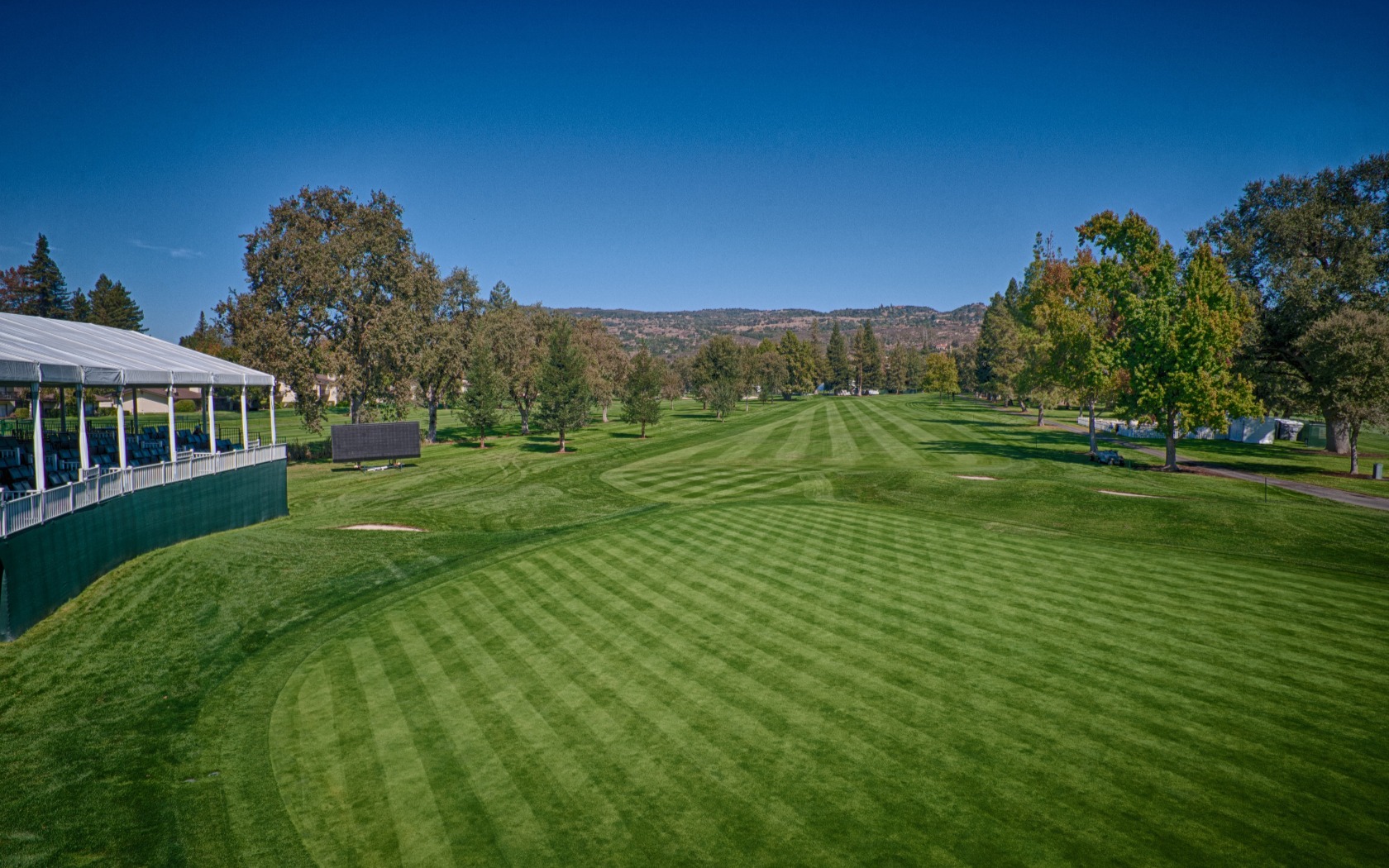
You can hit good shots here and still find yourself out of position.
That’s the lesson.
You start to think one shot ahead. Then two. You begin to understand how your decisions shape the hole, not just the moment.
And over time, that changes everything.
You’re no longer reacting to the course. You’re playing it with intention.
That’s where consistency comes from.
Getting There
Napa Valley is one of the more accessible locations, with several strong airport options nearby.
Oakland (OAK), San Francisco (SFO), and Sacramento (SMF) are all about 1 hour 15 to 1 hour 20 minutes from the resort, with direct flights from major cities including New York, Chicago, Los Angeles, Seattle, Dallas, Denver, and Atlanta.
San Diego / Borrego Springs – Rams Hill
Rams Hill is one of the most visually striking courses you’ll play.
Wide desert views. Elevation changes. A landscape that feels expansive and open.
But once you’re in it, the challenge becomes clear.
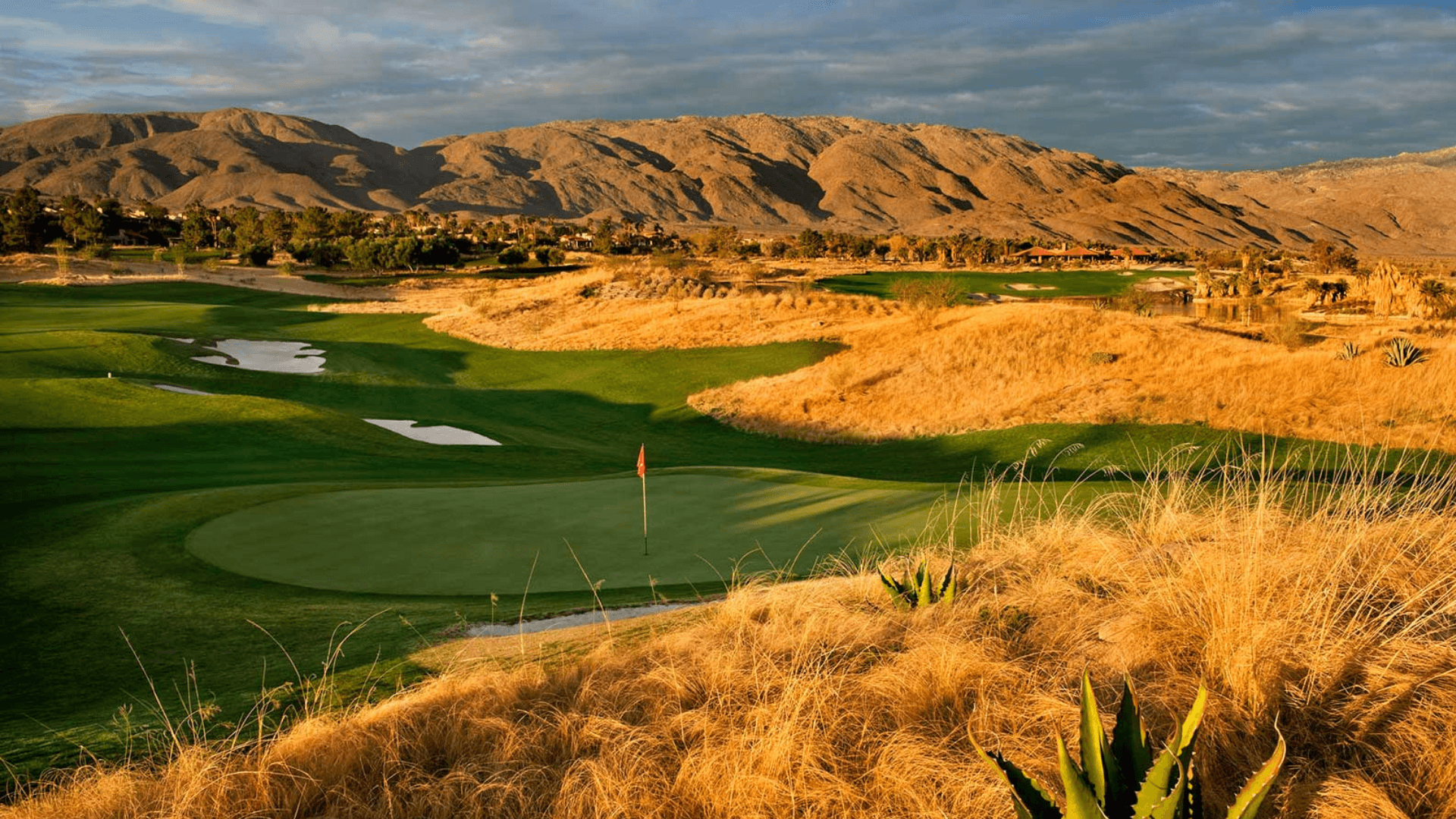
This course doesn’t reward hesitation.
The elevation affects distance more than you expect. The lines off the tee require clarity. And approach shots demand trust in your numbers.
You either commit to the shot or you don’t.
And when you don’t, the course makes that obvious.
That’s what makes it such a strong learning environment.
Because once you learn to commit here, that confidence carries into every other round you play.
Getting There
The most direct option is San Diego International Airport (SAN), about 1 hour 45 minutes from Borrego Springs, with direct flights from Los Angeles, San Francisco, Phoenix, Denver, Dallas, Chicago, Seattle, and New York.
An alternative is Palm Springs International Airport (PSP), which is about a 1.5-hour drive.
What This Means for Your Game
Most golfers don’t really see their game clearly.
Not because they aren’t paying attention, but because they’re usually playing the same type of course over and over again. The same visuals. The same decisions. The same patterns.
And over time, that familiarity hides things.
You learn how to manage that course. But not necessarily your game.
That’s where Bird Golf’s California locations come in.
Each one puts you in a different situation, and that’s what starts to separate what’s reliable from what isn’t.
At Alisal, the game slows down. You have time, space, and a layout that doesn’t force you into shots. Which means your tendencies show up more clearly. You start to see how your tempo and decision-making affect everything.
At Classic Club, there’s nowhere to hide from your numbers. The conditions are clean, the visuals are open, and if your distance control is off, you’ll know it immediately. It forces clarity.
At Silverado, the focus shifts to how you think your way around a course. Positioning matters. Angles matter. You begin to understand how one decision impacts the next, and how scoring is often determined before you swing.
And at Rams Hill, it comes down to commitment. The shot is there, but only if you trust it. The elevation, the visuals, the environment, they all push you to make a clear decision and stick with it.
Each location highlights something different.
And when you experience all of that within a structured golf school, you’re not just seeing your swing.
You’re seeing your entire game.
A More Complete Way to Improve
Once you can see your game clearly, improvement becomes more straightforward.
You’re no longer trying to fix everything. You’re working on the things that actually show up when you play.
That’s where the Bird Golf structure matters.
You’re not just hitting balls and hoping something clicks. You’re working through real situations, on real courses, with feedback that connects directly to how you play.
You begin to understand:
- What you can rely on under pressure
- Where small mistakes turn into bigger ones
- How to adjust when the situation changes
Over time, that builds something more durable than a swing change.
It builds awareness.
It builds better decisions.
It builds consistency that travels with you.
Because when you leave, you’re not just practicing differently.
You’re playing with a better understanding of what actually works.
